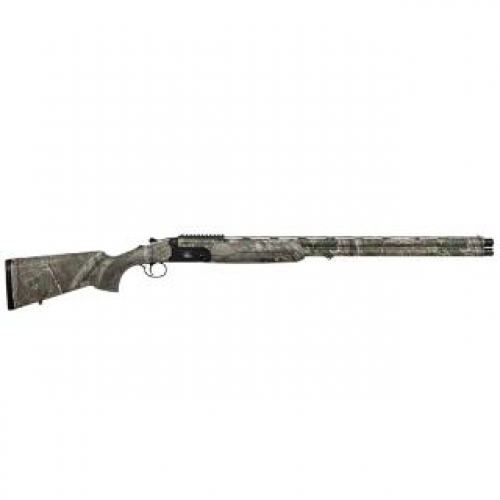
Duck and dove shotguns for the Texas upper coast
The upper Texas coast is one of the great wintering grounds in North America. Rice prairie, coastal marsh and bay shoreline from the Katy Prairie down to Matagorda hold pintail, gadwall, teal, redheads and wave after wave of snow and specklebelly geese, and the dove season opens the whole show on September 1. This guide sets out the 2026-27 dates for the counties this store serves and the shotguns that suit them.
The zone line runs down Interstate 10
The first thing a Houston hunter has to sort out is which zone the field is in. Harris and Chambers counties are split by Interstate 10 for both dove and duck. Ground north of the freeway follows the Central dove zone and the North duck zone; the bay marshes south of it follow the South zones. Further out, Brazoria, Fort Bend, Galveston, Matagorda and Wharton counties are wholly in the South zones, while Montgomery, Waller, Liberty, Polk, Hardin and the deep East Texas counties sit in the Central dove zone and the North duck zone. Get this wrong and you can be a month out on a season date.
Dove dates for 2026-27
Central Zone mourning dove runs September 1 to October 25, 2026 and reopens December 11, 2026 to January 14, 2027. South Zone runs September 1 to October 25, 2026 and December 18, 2026 to January 21, 2027. The daily bag is 15 birds statewide, of which no more than two may be white-tipped doves, with a possession limit of three times the daily bag. The September opener over a cut milo or sunflower field around El Campo, Wharton or Hempstead is still the biggest single shooting day of the Texas year.
Duck and goose dates
September teal season is statewide and runs September 19 to 27, 2026, with a six-bird bag. The regular North Zone duck season runs November 14 to 29, 2026 and December 5, 2026 to January 31, 2027. The South Zone runs November 7 to 29, 2026 and December 12, 2026 to January 31, 2027. Youth, veteran and active-duty days fall November 7 and 8, 2026 in the North Zone and October 31 and November 1, 2026 in the South Zone. The regular duck bag is six in the aggregate with species sub-limits. In the Eastern goose zone, dark geese run November 7, 2026 to January 31, 2027 and light geese to February 19, 2027, both with a five-bird daily bag.
Licences and the shell rules
Waterfowl and dove hunting needs a Texas hunting licence with the migratory game bird endorsement, HIP certification, and for ducks and geese a federal duck stamp as well. Your shotgun must be plugged so it holds no more than three shells in magazine and chamber combined. Non-toxic shot is required for all waterfowl: steel, bismuth, tungsten alloys and the other approved loads only, no lead. Lead is still legal for dove on most private ground, though several public areas require non-toxic there too, so read the area rules before you load up.
Shotguns for the marsh
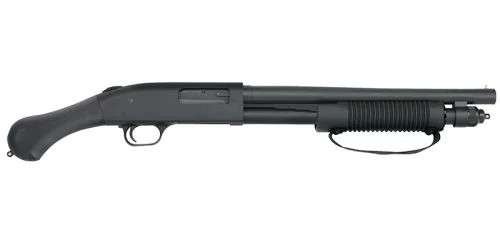
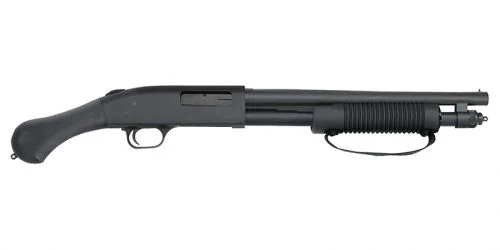
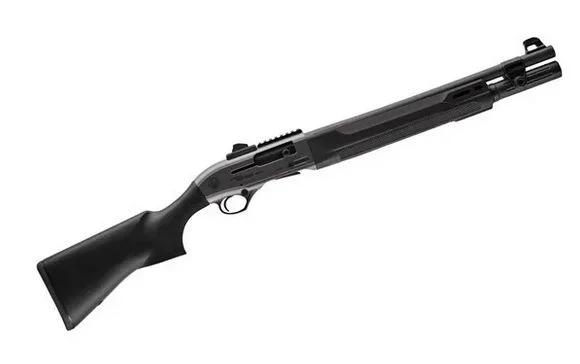
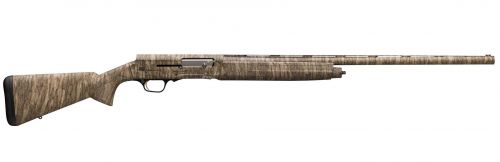
A gas-operated 12-gauge semi-automatic with a three-inch chamber is the default upper-coast duck gun, because it soaks up the recoil of heavy steel loads and keeps working when it is wet and salty. Benelli's inertia guns, the Super Black Eagle and the M2, shed mud better than anything and are what most Anahuac and Murphree guides carry. Beretta's A300 and A400, Browning's Maxus and Silver, Remington's V3, Franchi's Affinity and the Stoeger inertia guns all fill the same slot at different prices. If you want something that will never quit, a Mossberg 835 or Remington 870 pump in 12-gauge costs half as much and has killed more coastal ducks than every semi-auto combined. Camouflage stocks matter less than a gun you can clean in a hurry on a tailgate.
Shotguns for the dove field
September dove shooting is hot, high-volume and close. A light 20-gauge semi-auto is the better tool here: less weight over three hours in the sun, plenty of pattern for birds inside forty yards, and cheap shells. A 28-gauge is a pleasure if you shoot enough to justify it. Improved cylinder or skeet chokes suit a dove field, while a marsh gun wants modified for decoying ducks and improved modified for pass shooting geese. Whatever you take, pattern it on paper before the opener rather than guessing.
Loads that work
For ducks over decoys, three-inch steel number two or number three at 1,450 feet per second covers almost everything on this coast. Step up to BB or BBB for geese over the rice, or to a bismuth or tungsten load if you hunt a tight-choked older gun that should not shoot steel. For dove, an ounce of seven-and-a-halfs or eights is all you need. Buy shells early: coastal steel in the popular sizes disappears from shelves along Highway 59 by the second weekend.
Where to hunt
Public marsh on this coast is genuinely good. Anahuac National Wildlife Refuge, the J. D. Murphree area south of Port Arthur, Candy Abshier at Smith Point, Justin Hurst in Brazoria County and Mad Island in Matagorda County all take public hunters, most of them by draw or permit. Details for each town are on the Anahuac, Beaumont, Bay City and Galveston pages. Compare shotguns in the catalog, and if you also hunt the pines in November the East Texas deer guide is the companion to this one. Buying rules are on the Texas gun laws page.
General information, not legal advice. Current as of September 2026. Laws change; check the official source before you act.