Texas License to Carry and permitless carry
Texas has had permitless handgun carry since September 1, 2021, and the state still issues a License to Carry through the Department of Public Safety. Both matter. The first covers most adults who want a pistol on their hip in Houston; the second is worth the fee for anyone who travels, who buys often or who wants to carry in a few places the law otherwise closes off. This page sets both out.
Carrying without a license
The Firearm Carry Act lets an adult 21 or older who may lawfully own a firearm carry a handgun in public without a license. Carry it concealed, or openly in a belt or shoulder holster. There is no requirement to hold a license, take a course or notify anyone. The exception is a conviction in the previous five years for assault causing bodily injury, deadly conduct, terroristic threat or certain firearm-related disorderly conduct offenses; those convictions block permitless carry until the five years run out.
Why the license is still worth having
The License to Carry has kept a solid following in Texas for practical reasons rather than legal necessity. It can be used in place of the federal background check when you buy a handgun from a dealer, which means less waiting at the counter on every purchase you make from this catalog. It is recognized in a long list of other states, so it travels with you across the Sabine or up through Oklahoma. It is accepted as identification by most businesses and as a voter identification document, and it gives license holders protections in a few settings, including government meetings and the secured area of an airport, where an unlicensed carrier has none.
How you get one
The Department of Public Safety runs the program statewide. There is no county sheriff step in Texas, which surprises buyers who have moved from states where the sheriff issues. You apply online through the department, pay the fee, get fingerprinted at an approved location and complete the training. The standard fee is $40 and the license runs five years, which works out to $8 a year. Renewal is handled through the same online account.
The training
Training has two parts. The classroom portion covers four topics set by statute: laws relating to weapons and the use of deadly force, handgun use and safety including holsters and safe carry, non-violent dispute resolution, and safe storage practices where children are present. The department describes it as a four to six hour course. You may take the classroom portion online through an approved provider, but you then have to attend one to two hours of in-person range instruction and demonstrate proficiency with a qualified instructor. The range qualification can be done before the online classroom work if that suits your schedule better.
Choosing a pistol to qualify with
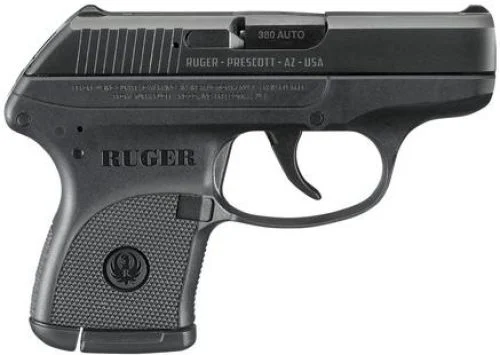
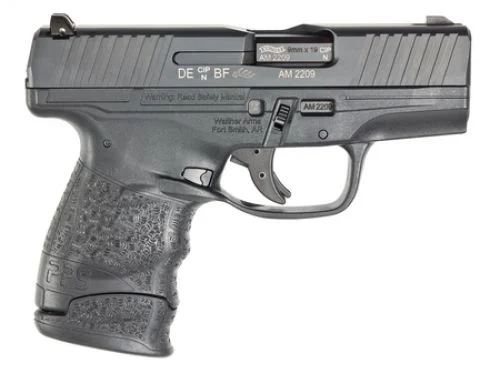
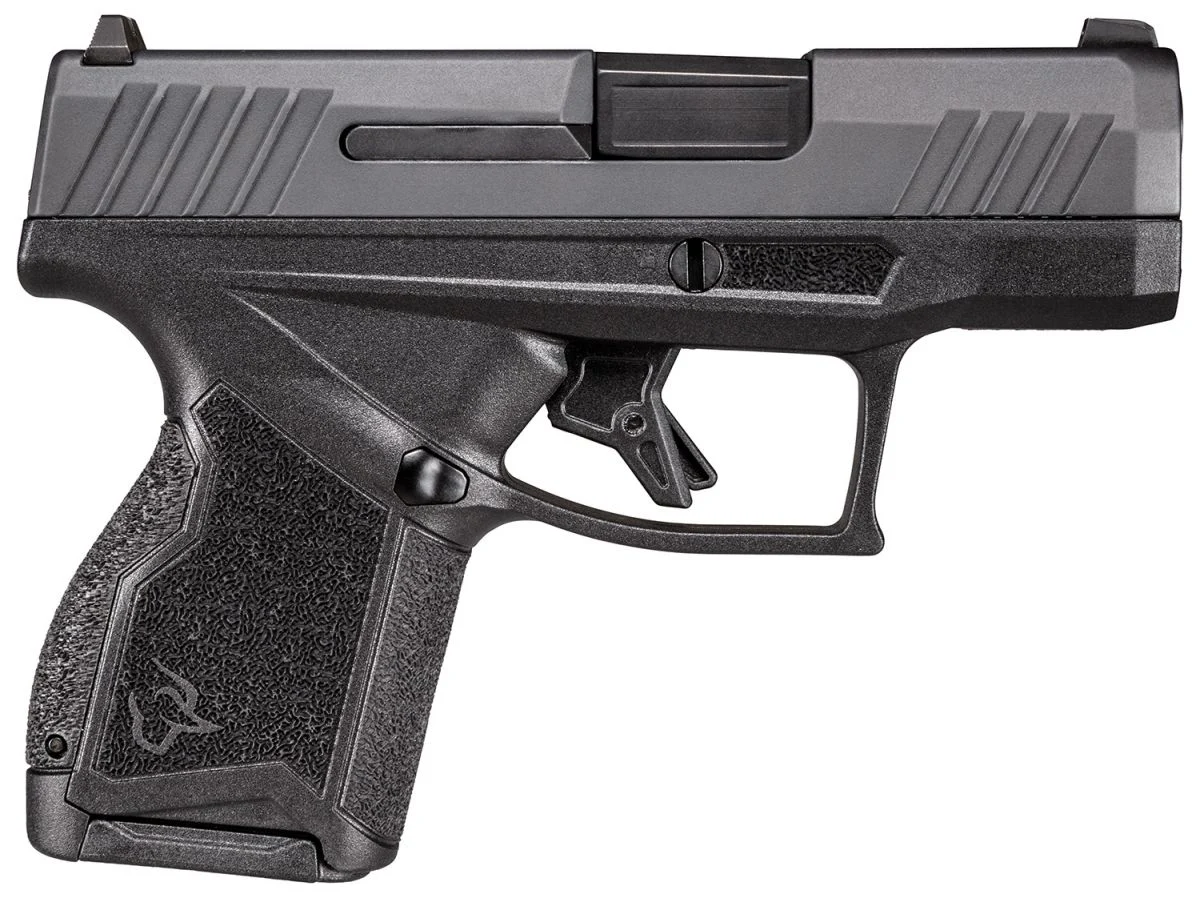
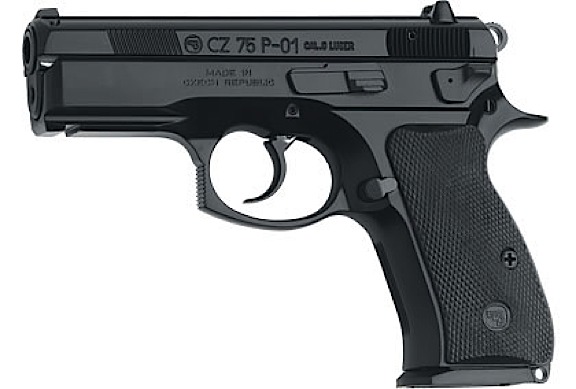
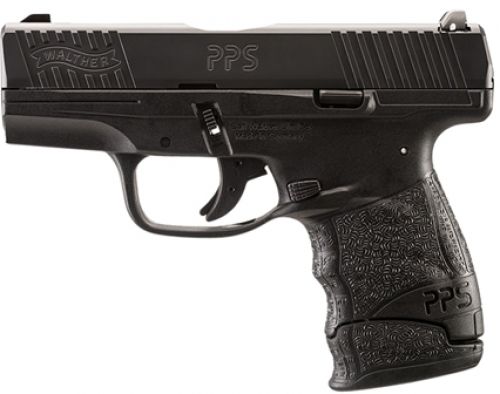
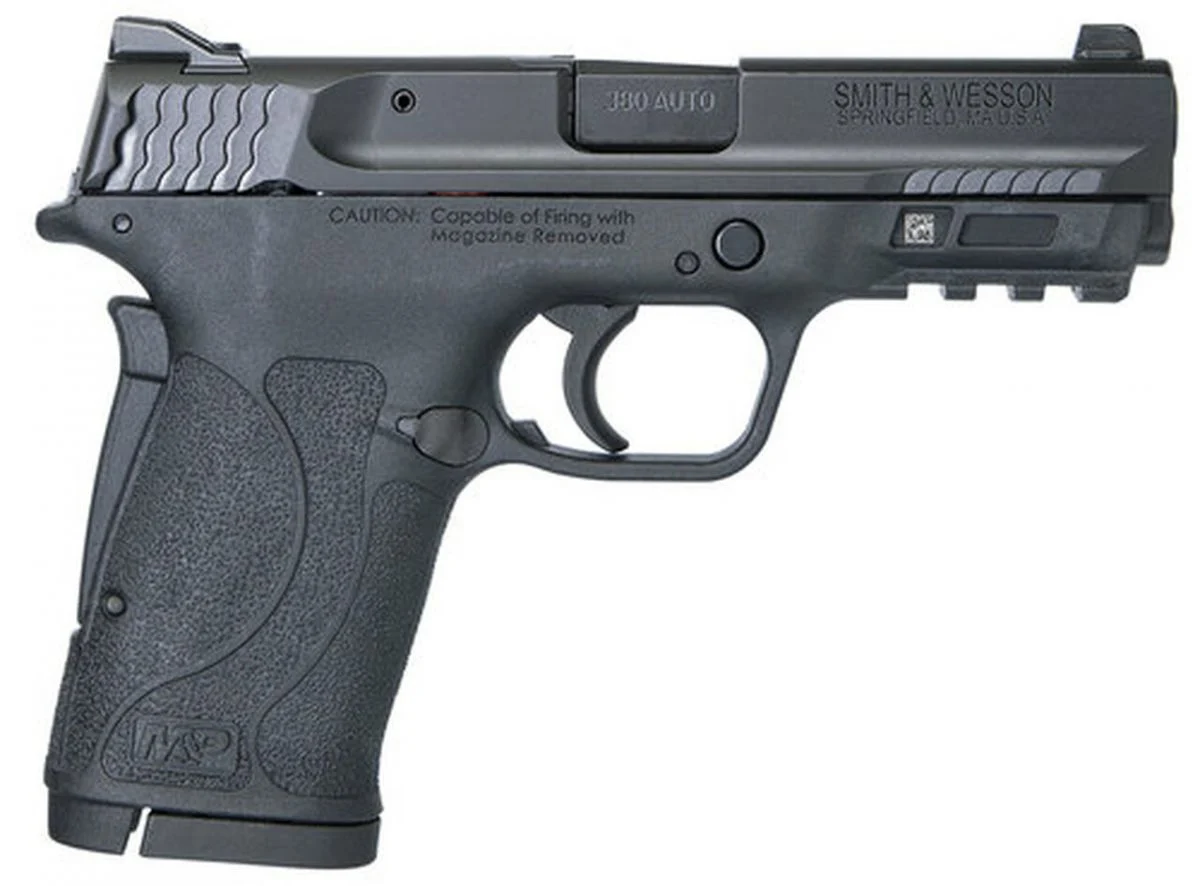
Any handgun you can shoot well will pass the qualification, which is fired at close range on a standard target. The sensible approach is to qualify with the pistol you actually intend to carry rather than a borrowed full-size gun, because the course of fire is also the last supervised shooting most license holders do for years. Compact nine-millimetre pistols dominate carry in the Houston heat, where a light shirt is all the cover garment you get for eight months of the year: a Glock 19 or 43X, a Smith and Wesson Shield or Equalizer, a Sig P365 or P320 Compact, a Springfield Hellcat. A micro-compact carries easier; a compact shoots better. Try both before you commit.
Where a handgun stays off-limits
License or no license, Texas law closes certain places to handguns. Schools and school-sponsored events, college campuses beyond what campus rules allow, courtrooms and court offices, polling places while voting is under way, secured airport areas, racetracks, amusement parks, correctional and civil commitment facilities, hospitals and nursing homes without written permission, and any business that draws more than half its income from on-site alcohol sales are all barred. Private property owners can add their own rules by posting the statutory notices, printed in English and Spanish in one-inch block letters. If you see one of those signs on a Houston restaurant door, leave the pistol in the car.
Carrying in other states
A 2025 change simplified recognition in the other direction: a valid carry license issued by any other state is now recognized in Texas by statute. Whether your Texas license is honored somewhere else depends entirely on that state's law, and those lists change. Check the destination state's own published list before a trip rather than relying on a map you saw last year, and remember that permitless carry in Texas is not portable at all.
Storage, vehicles and the practical side
A handgun in your vehicle is legal to carry under the same rules as on your person, and the practical question becomes where it lives when you cannot take it with you. A vehicle safe bolted to the frame is the only sensible answer in a city with as much vehicle break-in as Houston.
Renewals and moving to Texas
A licence runs five years from the date it is issued, and the department will let you renew through the same online account without repeating the classroom course. Set a reminder, because an expired licence stops standing in for the background check at the dealer counter, which is the benefit most people notice first. If you have just moved to Texas, your old state's permit is now recognized here by statute, so you can carry while you work through the Texas application. Update the address on your driver licence early: a mismatched address is the single most common reason a transfer gets held up at a Houston counter.
For the rest of the rules that govern buying and owning in this state, see the Texas gun laws page, and for what to expect from a dealer transfer in the metro area see the Houston buying guide or your own city page.
General information, not legal advice. Current as of September 2026. Laws change; check the official source before you act.